
Why Pakistan Is Emerging as a Global Hub for Apparel Manufacturing
In recent years, Pakistan has steadily emerged as a major player in the global apparel manufacturing industry. While countries like China, Bangladesh, and Vietnam have traditionally dominated the textile sector, Pakistan is now catching up — and fast. With a unique blend of natural resources, skilled labor, competitive pricing, and improving infrastructure, Pakistan is becoming an increasingly attractive destination for fashion brands and retailers around the world.
Let’s explore the key reasons why Pakistan is gaining recognition as a global hub for apparel manufacturing.
1. Rich Textile Heritage & Local Raw Material Availability
Pakistan is one of the largest cotton producers in the world. The country’s textile and garment industry is deeply rooted in its economy and history. With easy access to locally grown cotton, textile mills, and dyeing units, manufacturers in Pakistan can control quality, pricing, and turnaround times much more effectively.
This vertical integration—from raw material to finished product—offers a significant advantage over other countries that rely heavily on imports.
2. Skilled Labor Force at Competitive Costs
Pakistan boasts a large and skilled workforce that specializes in textile production, stitching, embroidery, and finishing. Unlike regions where rising labor costs are pushing manufacturers to look elsewhere, Pakistan still offers competitive labor rates without compromising quality.
Workers are trained in both traditional craftsmanship and modern production techniques, making the industry agile and adaptable to global fashion trends.
3. Growing Investment in Technology and Infrastructure
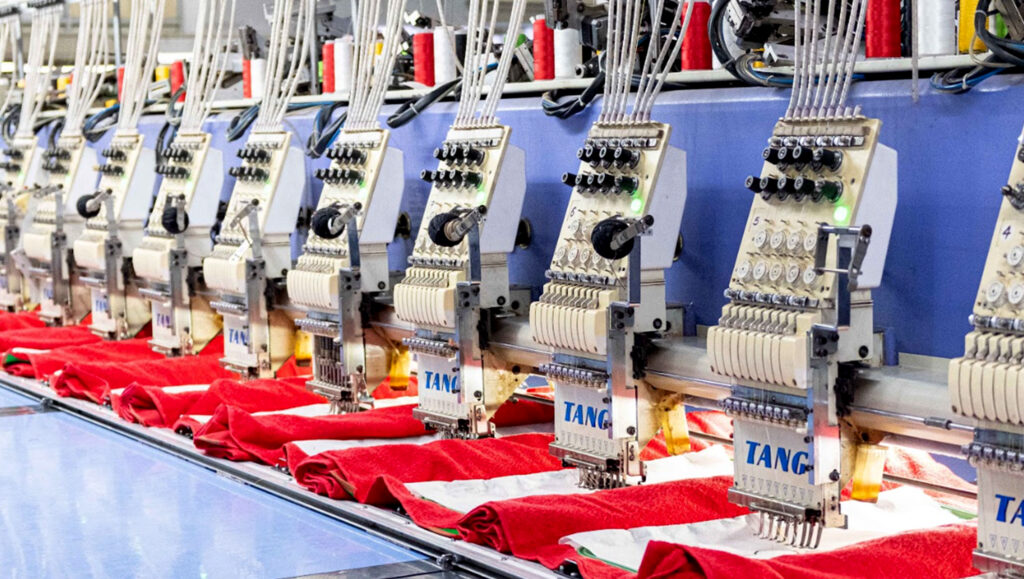
To stay globally competitive, many Pakistani apparel manufacturers have invested in state-of-the-art machinery, modern cutting and stitching equipment, and ERP systems for production tracking. This tech-driven approach improves consistency, precision, and scalability, allowing local factories to meet the stringent demands of international buyers.
Pakistan’s major garment hubs like Lahore, Karachi, Faisalabad, and Sialkot are seeing infrastructure development that supports export operations, warehousing, and logistics.
4. Flexible MOQs and Customization Options
One of the biggest challenges for small and mid-size fashion brands is finding manufacturers who accommodate low Minimum Order Quantities (MOQs). Pakistan stands out by offering flexibility that caters not just to large-scale retailers but also startups and D2C fashion brands.
Manufacturers like MadeToBrand.pk provide customized apparel manufacturing, branding, labeling, and packaging solutions with scalable production plans, making it easier for new entrants to bring their ideas to market.
5. Compliance with Global Standards
As international clients demand better transparency and ethical practices, many Pakistani factories are now certified by global standards such as:
ISO (International Organization for Standardization)
WRAP (Worldwide Responsible Accredited Production)
BSCI (Business Social Compliance Initiative)
GOTS (Global Organic Textile Standard)
These certifications signal a strong commitment to quality, environmental responsibility, and fair labor practices — helping Pakistan gain trust in global markets.
6. Strategic Geographic Location
Situated between Central Asia, the Middle East, and East Asia, Pakistan enjoys a strategic location for international shipping. Its proximity to major sea ports like Karachi and Gwadar allows for faster transit to Europe, the Gulf, and North America.
Combined with improving trade agreements and logistics networks, this gives Pakistani exporters a geographical edge in supply chain efficiency.
7. Government Support & Export-Friendly Policies
Pakistan’s government has actively introduced export incentives, tax rebates, and subsidies for the textile sector. Policies aimed at reducing energy costs, improving access to financing, and streamlining customs procedures are helping businesses scale more rapidly and serve international markets more reliably.
The government’s “Make in Pakistan” initiative further encourages local manufacturing and exports, creating a favorable environment for apparel production growth.
8. Rising Global Demand for Affordable, High-Quality Fashion
The global fashion market, especially fast fashion and online retail, continues to grow. With rising consumer demand for affordable, well-made clothing, brands are turning to Pakistan as a reliable sourcing destination. Pakistani manufacturers offer the right balance between price, quality, and turnaround time—exactly what global brands are seeking.
Final Thoughts
From high-end fashion labels to emerging eCommerce startups, more businesses are turning to Pakistan for apparel manufacturing. The country’s mix of natural advantages, industry expertise, and growing global compliance makes it an increasingly reliable and attractive hub for textile and garment production.
Whether you’re looking to start your own fashion line or scale an existing brand, Pakistan offers a world-class solution at a fraction of the cost—without sacrificing quality.