
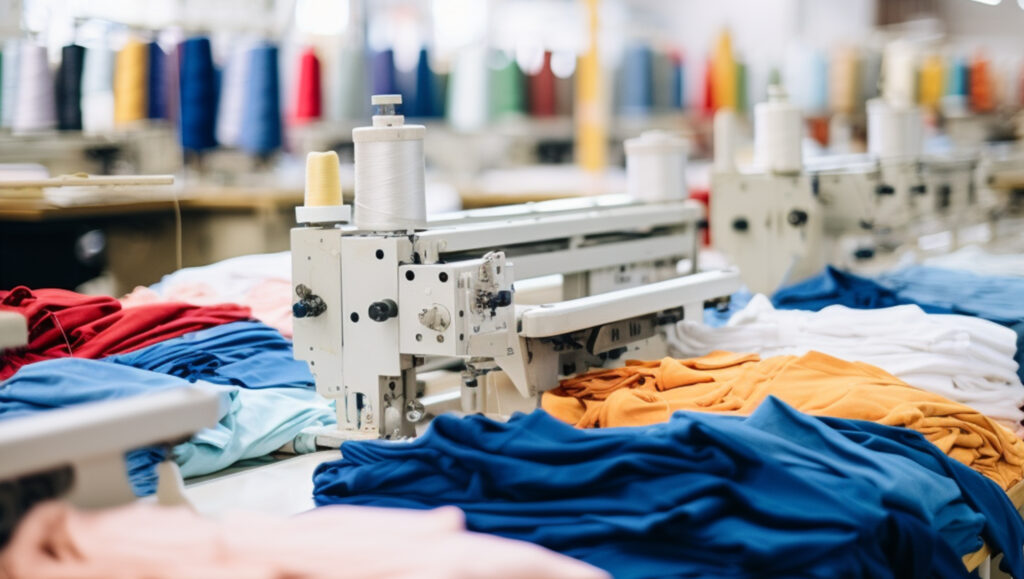
Behind the Seams: How Garment Manufacturing Works in Pakistan
Pakistan is one of the world’s top textile producers, known for its high-quality cotton, skilled labor, and cost-effective garment production. But what really happens behind the seams? How does a simple idea turn into a finished piece of clothing ready for global shelves?
In this blog, we take you inside the fascinating world of garment manufacturing in Pakistan, revealing the key stages, the people behind the craft, and why Pakistan remains a powerhouse in the textile and apparel industry.
1. The Idea: Design & Concept Development
Every garment begins with an idea. Whether it’s a fashion-forward brand launching a new seasonal collection or a business ordering custom uniforms, the first step is concept development.
At this stage:
Clients provide design briefs, sketches, or reference samples.
In-house designers or CAD (Computer-Aided Design) specialists turn these concepts into digital mockups.
Fabric types, stitching styles, sizes, and trims are also finalized.
MadeToBrand.pk, for instance, collaborates closely with brands to bring their creative vision to life — offering expert guidance on materials, fits, and finishings.
2. Sourcing the Fabric
Pakistan is renowned for its rich cotton fields and textile mills, giving it a natural edge in sourcing quality raw materials. Depending on the garment requirements, manufacturers source:
Cotton
Polyester blends
Denim
Lawn and linen
Jersey knit
Specialized technical or sustainable fabrics
Fabric swatches are selected, dyed, and tested for durability, colorfastness, and shrinkage before bulk purchase.
3. Sampling & Prototyping
Before full production begins, manufacturers create a sample or prototype for client approval. This step is essential to:
Check sizing accuracy
Review stitching and embellishments
Finalize fabric feel and fit
Make any design adjustments
Once the sample is approved, it becomes the master model for bulk production.
4. Pattern Making & Grading
With the design finalized, pattern makers develop technical outlines of each part of the garment — sleeves, collars, waistbands, etc. These are then graded into various sizes based on the sizing chart (e.g., S, M, L, XL).
Patterns are either drawn manually or with software, then used to cut fabrics uniformly.
5. Cutting the Fabric
Using the approved patterns, fabric is laid in layers on a cutting table. Specialized cutting machines or laser cutters slice through dozens or even hundreds of fabric layers at once. Each piece is labeled and bundled for easy tracking through the sewing line.
Precision is key — even a minor error in cutting can lead to misfitted garments or wasted fabric.
6. Stitching & Assembly
Now comes the magic — turning fabric pieces into actual garments.
Skilled operators at sewing stations assemble the parts using industrial sewing machines. Each operator may specialize in a specific task:
One sews collars
Another handles zippers or buttons
Others attach sleeves or linings
Quality control supervisors monitor this step to ensure stitching is neat, measurements are accurate, and defects are avoided.
7. Quality Control & Finishing
Before garments are packed, they undergo multi-step quality inspections, including:
Thread trimming
Seam strength tests
Fit and measurement checks
Stain or dirt inspection
After passing quality checks, the garments are ironed, labeled, tagged, and folded.
8. Packaging & Delivery
Finally, garments are packed in custom-branded packaging (if requested) and prepared for shipment. Whether it’s a local retailer or an international eCommerce brand, manufacturers coordinate with logistics partners to ensure timely delivery.
At MadeToBrand.pk, we offer customized packaging options to elevate your brand presentation — from polybags to luxury gift boxes.
Pakistan’s Competitive Edge in Garment Manufacturing
Pakistan continues to thrive in the global garment sector due to:
Affordable yet skilled labor
Access to raw materials
Modern infrastructure and machinery
Strong compliance with international standards
Flexible MOQs for small to large businesses
These advantages make it an ideal destination for startups and established fashion labels seeking high-quality apparel at competitive prices.
Final Thoughts
Garment manufacturing in Pakistan is a blend of tradition, technology, and craftsmanship. It’s not just about producing clothing — it’s about transforming ideas into wearable realities with precision, passion, and purpose.
Whether you’re launching your own brand or scaling up production, partnering with a professional manufacturing company like MadeToBrand.pk ensures that every stitch, seam, and silhouette reflects your vision — beautifully and reliably.
Looking to manufacture custom garments in Pakistan?
Let’s take your designs from sketch to shelf — contact us today to get started.